Endurance Training
What are the benefits of endurance training?
Before explaining the the benefits of endurance training, we firstly need to establish the term/definition of endurance training.
Endurance training involves repeated, structured exercise sessions performed at a sufficient intensity and duration to place increased demands on the cardiovascular and respiratory systems, improving the body’s ability to deliver and use oxygen efficiently during prolonged activity. Therefore there has to be a minimal effective dose or cutoff point of the activity to elicit some effect on the body, either as duration and/or intensity (Hofmann & Tschakert, 2017; Proske et al., 2012).
Since physiology, fitness-level and physical capacity vary from person to person, endurance training should be personalized, since walking may be effortless for some, some may find it very challenging. Thats why activity and therefore aerobic exercise should be ranked according to the energy demands for the person. Norton et al. (2009) have written a position statement on physical activity and exercise intensity terminology with cut-off values. Activity is everything between 1-3 metabolic equivalent. Everything above could be termed exercise.
Well of course endurance exercise/training is planned, structured and characterized by its frequency, intensity, and duration. Activity is unstructured
The Effect of Exercise Training Intensity on VO2max in Healthy Adults: An Overview of Systematic Reviews and Meta-Analyses
Endurance training can be done in two forms: aerobic activity and anaerobic activity and can elicit different effects on the cardiovasculare and cardioresperatory system (Patel et al., 2017).
Endurance training can elicit the following general benefits: (Mrówczyński, 2019; Posadzki et al., 2020): Exercise is dose-dependent, meaning that individuals who engage in physical activity levels well above the recommended minimum experience a substantial reduction in the risk of developing conditions such as breast cancer, colon cancer, diabetes, ischemic heart disease, and ischemic stroke. The benefits of physical activity extend to many areas of health, including reduced mortality, slowed cognitive and physical decline, improved glycaemic control, decreased pain and disability, and enhanced muscle and bone strength. It also contributes to better mood, functional mobility, and overall well-being.
These benefits come from general physical activity, but these adaption/benfits come also in form when doing endurance training (exercise) but plus greater adaptions in cardiovaculare health (heart, blood vessels, blood pressure, lipide profile)
Adaptions physical activity and exercise
The well known WHO guidelines recommend at least 600 MET minutes/week (least 150 minutes of moderate-intensity; 75 minutes of vigorous-intensity); In the systematic reviev by Kyu et al. (2016) the current knowledge indicates that 3000-4000 MET minutes/week achieve larger reductions in risks of breast cancer, colon cancer, diabetes, ischemic heart disease, and ischemic stroke than the current WHO guidelines. As the MET minutes/week are truly helpful, it is far from understandable what this really means and which acitivities elicit what MET count. Ainsworth et al. (2011) made it easy for us. Thes listed different physical activities by their rate of energy expenditure in MET, to quantify the energy cost.
But if doing more activity is seemingly better, why is there a difference in health oucomes between occupational and leisure time physical activity?
Exercise has positive acute and chronic effects across all systems that are required/engaged in the work for enduring the activity.
Acute effects:
Cardiovascular
Blood pressure:
A meta-analysis by Carpio-Rivera et al. (2016) showed that a single exercise session can significantly lower blood pressure, with systolic BP dropping by ~5 mmHg and diastolic BP by ~3 mmHg, and continued reductions lasting up to 24 hours. The effect, known as post-exercise hypotension (PEH), was seen in normotensive, prehypertensive and hypertensive individuals, with no major differences between these groups. However, non-medicated individuals experienced greater BP reductions than those on medication. Physically active people had stronger PEH responses, while older age and higher BMI were linked to smaller decreases in BP.
HIIT and MICE work equally well immediately after exercise, but HIIT has stronger effects throughout the rest of the day (Marçal et al., 2021). It currently seems that the total work performed during exercise, rather than just intensity alone, serves as a stronger predictor of the magnitude of PEH. But the minimal effective dose (intensity / duration) of exercise is not clear (Aly & Yeung, 2023; Marçal et al., 2021). Most research with benefical effects describe durations between 20-80 min at intensities between 40%-70% VO2max.
The exact mechanism behind PEH is also not fully understood, but it is thought to involve a combination of autonomic and metabolic changes after exercise. These include reduced sympathetic nervous activity and increased local vasodilation. Additional contributing factors include the increased activity of endothelial nitric oxide synthase and modulation of the renin–angiotensin system (Aly & Yeung, 2023). However, the importance of autonomic nervous system control in causing post-exercise hypotension (PEH) has been questioned, with increasing evidence suggesting that local vasodilator mechanisms may play a more dominant role (Brasil et al., 2024).
a decrease of 5 mmHg in the sBP is likely to reduce the mortality associated with stroke by 14% and coronary heart disease by 9% (Carpio-Rivera et al., 2016).
Lipid profile:
Psychological (mood, depression, pain, anxiety)
Sleep
Acute short high-intensity evening exercise is not linked to worse sleep (Yue et al., 2022; Frimpong et al., 2021), only if the exercise is intense and long lasting. Than it is linked (in a dose response relationship) to delayed sleep onset, shorter duration, poorer quality, higher resting heart rate, and lower HRV, especially when performed close to bedtime or after sleep onset. These effects come from slower parasympathetic recovery.
By contrast, light to moderate exercise done at least ~2 hours before bed generally does not impair sleep and may even improve some measures. Finishing strenuous workouts ≥4 hours before sleep reduces disruption.
But it seems that people that regularely participate in high intensity exercise at evening, the effects are not as bad.
Importantly, while strenous exercise can harm sleep, prior research shows it may also improve glucose tolerance and insulin sensitivity under conditions of sleep loss, highlighting a complex trade-off between sleep quality and metabolic benefits (Leota et al., 2025).
Recovery?
Chronic effects:
Cardiovascular
Aerobic training lowers the heart rate and increases stroke volume without changing cardiac output at rest or for a given exercise intensity representing an economization of cardiac function. The stroke volume is greater because of improved filling dynamics of the left ventricle, including greater compliance and reduced peripheral vascular resistance. Increased shear stress during exercise improves endothelial function, with secretion of vasodilatory substances (Scharhag et al., 2013).
Endurance athletes seem to live longer (read article) but is there a difference to highly active people (non-endurance people)? let say 15000 steps a day vs. strict endurance training only?> VO2max seems to be corralative with live expectancy?.
fff
Is there a difference in health oucomes between occupational and leisure time physical activity?
does physical activity and endurance training elicit the same benefits/effects?
Sleep:
beyond duration, factors such as population characteristics (BMI), training background, and program compliance play a critical role in modulating the sleep-related benefits of exercise interventions. Individuals with lower BMI may experience more favorable sleep-related adaptations to exercise, potentially due to lower baseline inflammation and fewer comorbidities (Rubio-Valles & Ramos-Jimenez, 2025).
While most studies found significant effects and can confirm the positive impact of exercise on sleep quality, there are also some that indicate no meaningful difference. Although the overall improvement in sleep scores was statistically significant, the actual size of the change may not be clinically meaningful. The most recommended measures for evaluating global sleep and insomnia symptoms are the Pittsburgh Sleep Quality Index (PSQI) and the Insomnia Severity Index (ISI). However, it is important to outline that the PSQI was designed to measure general sleep disturbances, whereas the ISI was specifically developed to assess insomnia severity and the patientʼs perception of it (Cerri et al., 2023). Although the overall improvement in sleep scores was statistically significant, the actual size of the change may not be clinically meaningful. For the PSQI, a change of 3 points is usually considered clinically important, but the observed improvement (−2.27) fell just short. Similarly, for the ISI, where meaningful changes range from 3 to 8 points (commonly 6–8), the observed effect (−2.98) also did not meet that threshold. This suggests that the results may not reflect meaningful improvements in real-world settings for all individuals. (Rubio-Valles & Ramos-Jimenez, 2025).
Dosage for sleep?
Moderate- and high-intensity exercise interventions were more effective at improving sleep quality than doing nothing (control group). They also worked better than moderate-to-high intensity interventions — suggesting that clearly defined moderate or high intensity is more beneficial than vaguely mixed or intermediate intensities (Li et al., 2024).
Zhou et al. (2024) tried to compare the effects of different exercises on subjective sleep quality (PSQI) and objective sleep quality (polysomnography) in a general population with a systematic review and meta-analysis. Aerobic exercise improved both qualities. To add, aerobic exercise was most promising in improving objective sleep quality.
They also showed that HIIT is slightly less effective in improving sleep than aerobic exercise. This has also been shown in earlier reviews by Wang and Boros (2019) and ... . On the other hand, Li et al. (2024) declared that high intensity is most effective for improving sleep quality. So there exists also conflicting findings. Though most studies describe tendencies to moderate intensity.
In general, prolonged sustained exercise were superior to those of acute exercise or short periods of exercise and that those who persisted in constant exercise over a ten-year period were less likely to have symptoms of insomnia, as well as a higher quality of life and social engagement (Zhou et al., 2024).
Why is exercise good for sleep?
Exercise can improve the endocrine, immune response and balance the role of the autonomic nervous system during sleep through thermoregulation, circadian rhythms, inducing changes in tissues such as skeletal muscle and adipose, feedback on the body’s energy synthesis or catabolism and further regulate the body’s biorhythms and adjust the sleep structure. Exercise may be effective in improving sleep by enhancing the activity of the parasympathetic nervous system in the body and promoting emotional release, helping the body to regulate awareness and attention (Zhou et al., 2024).
How can you track your endurance training (from best case to minimalist approach) - Monitoring (lactate levels, HRV, HF, RPE)
Concurrent Training
Minimal effective dose for improvement and maintenance ? (for performance vs for health?)
Schnohr P, O’Keefe JH, Marott JL, Lange P, Jensen GB. Dose of jogging and long-term mortality: the Copenhagen City Heart Study. J Am Coll Cardiol 2015; 65: 411-419 [PMID: 25660917 DOI: 10.1016/ j.jacc.2014.11.023]
Felix:
how much volume / time is needed to increase endurance? per week?
What is endurance training and how can we measure it? what are the parameters by which we measure progress?
Aerobic capacity: "the ability to sustain muscle function under aerobic conditions, particularly the muscles’ capacity to uptake and utilize oxygen efficiently" (Deng et al., 2025).
Field based assessments: Maximum aerobic speed test, YoYo test, Wingate test, PACER-Test, Cooper-Test, 20m Shuttle-Test
https://pmc.ncbi.nlm.nih.gov/articles/PMC8720251/pdf/ijspt_2022_17_1_29451.pdf
Some markers have better long-term value? are other parameters better for different sports?
Additional feats needed for high-endurance athletes? (mental toughness)
Periodisation (preparatory cycle, precompetition cycle, tapers)
Which type of training fits which goals? (needs analysis)
We need to know which physiological characteristics are associated with optimal competition performance and how these characteristics can be adapted through which training interventions.
E.g. training at certain thresholds such as LT, HR (=internally or physiologically guided) and as race day approaches, shift focus towards pace training (=externally or race pace guided) (Kenneally et al., 2018).
Intensive training types: HIIT, sprints.. cross training
Interval training = intermittent periods of intense exercise, separated by periods of recovery
Sprint training:
Training Intensity Distribution
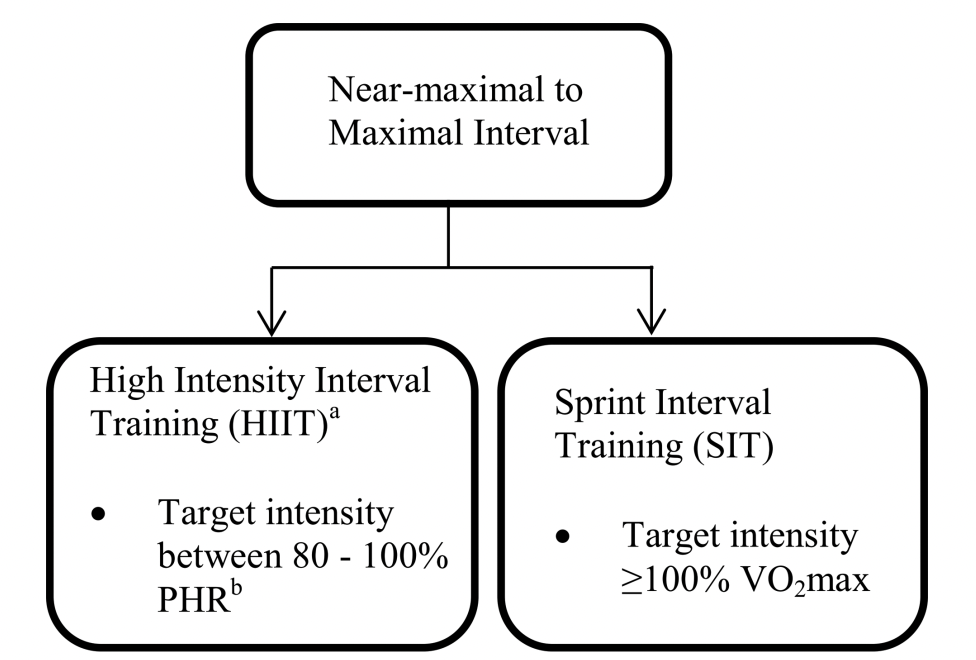
Often further categorised as HIIT (high-intensity interval training) that is characterised by near maximum efforts (>80% of maximal heart rate with partial recovery between bouts and a training duration of >30 sec and up to 8 min) and SIT (sprint interval training) that is characterised as all-out efforts (or supramaximal efforts with complete recovery between bouts and a training duration of <30 sec).
Whereas MICT (moderate intensity continuous training) describes continuous efforts at lower intensities.
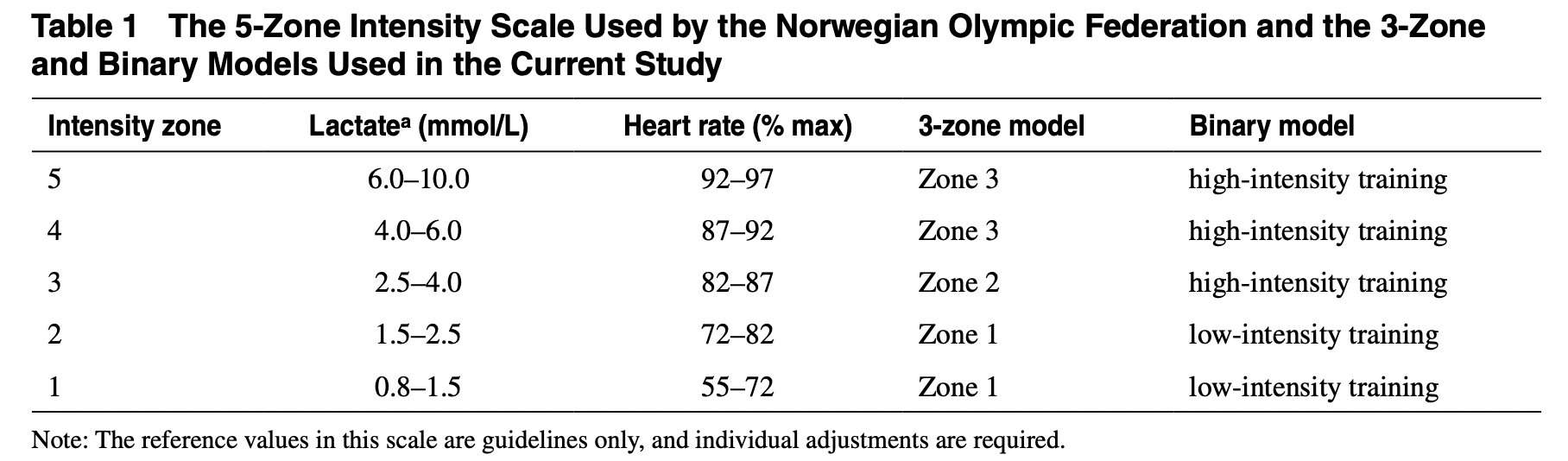
Training intensity distribution (TID) is important to consider for an endurance athlete. Typically, the majority of training sessions (≥70%) will be done in Zone 1, with the rest (≥30%) in Zones 2 and 3 (with less time spend in zone 3 than 2).
In other words: 70% higher-volume low-intensity training and 30% high-intensity low-volume training.
Zone 1 = low intensity exercise before the first lactate or ventilatory threshold
-> = 1-4 on a 10-point BORG RPE scale (s-RPE) or <13 on a 20 point scale
Zone 2 = lactate levels in between the first and second lactate or ventilatory threshold
-> = Threshold training = 5-6 on a 10-point BORG RPE scale or <15 on a 20 point scale
Zone 3 = high intensity training above the second lactate threshold (or ventilatory)
-> 7-10 on a 10-point BORG RPE scale and usually done in intervals
The pyramidal TID approach is very common in endurance sports, where decreasing volumes of work are performed at higher intensities (e.g. 70% zone 1, 15% zone 2 and 5 % zone 3) = Zone1 > Zone2 > Zone 3.
Another one is the polarised approach. But the literature can not yet identify clear superiority of one approach over the other, probably because time spent in zone 1 training is very similar in both (Kenneally et al., 2018). In the polarised approach, the majority of trianing is again performed in zone 1 but then more of the high intensity training in zone 3 than 2 -> Zone1 > Zone3 > Zone 2.
Threshold training means that greater parts of training is performed at Zone 2 (>20%), compared to the other models.
Pyramidal models are the ones predominately used in the literature, and pyramid and polarised training cut off better than threshold training when directly compared to each other. They are also most often recommended for recreational runners, as they are easy to adjust.
But depending on which measurement people rely upon, a pyramidal or polarised model can be generated out of the present data. Therefore, monitoring via internal (e.g. sRPE) and external (e.g. total distance or running speed) load parameters is crucial. According to authors of a systematic review on TID, heart rate might be easy to measure, but should be seen as a tool to measure training adaptation instead of training monitoring (which should be relied on running speed, with changes in heart rate at the given running speed showing if adaptations occurred). The split of >70% low intensity high volume and the rest high intensity low volume training may be so successful due to a reduced risk if functional overreaching or overtraining for endurance athletes (Campos et al., 2022). The literature search of that review included recreationally, well-trained and highly-trained female and male athletes and should therefore have fairly generalisable results.
Generally, total time spent in zone 1 and 2 will decrease the closer you get to a competition, and zone 3 training increases (more focus on higher intensity training). While still others aim for the complete opposite approach, starting more competition specific training with higher intensities and the closer they get to competition the higher volumes and lower intensities they will be training at.
But it is still unclear as to why endurance athletes spend so much time training at lower intensities than their competition level. With long term effects of different TIDs not well understood (Stöggl & Sperlich, 2019).
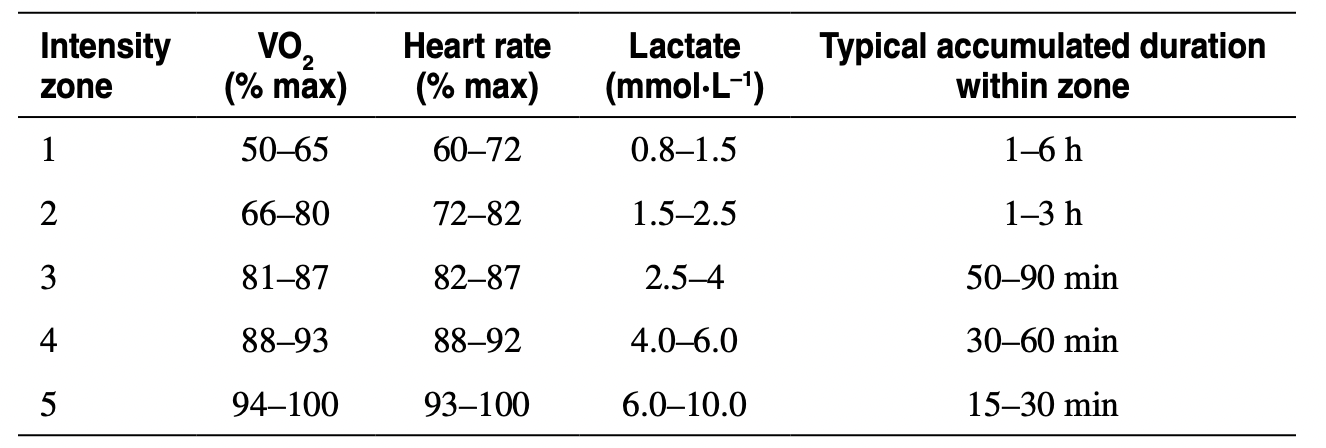
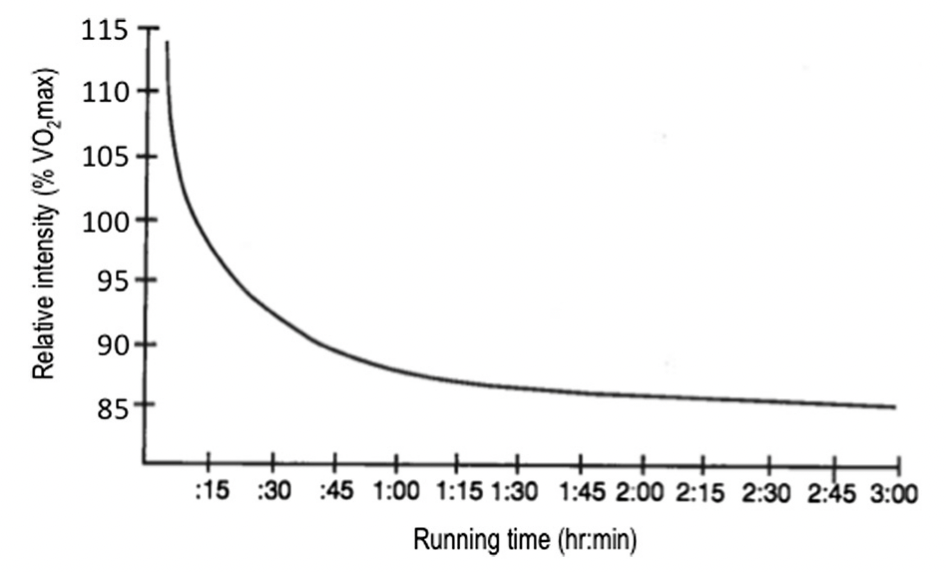
Findings regarding training intensity distribution can be seen as paradoxical. As endurance competition efforts are almost always "performed at or above the lactate threshold (or ≥85% VO2 max), the large majority of the training performed is completed below lactate threshold intensity". The same author summarises his findings as "successful endurance athletes achieve excellent results when accumulating a high training volume by emphasizing frequent exposure to 60 to 180 min bouts performed at approximately 60 to 75% of VO2 max (ie, LIT) in combination with a modest proportion of training performed at intensities between 85 and 100% of VO2 max (about 20% of training sessions)"(Seiler, 2010). With the adoption of higher numbers of HIT sessions leading to similar results.
Periodisation: there is a clear increase of high intensity training sessions, the closer you get to competition. How much that should be, is unclear. And training volumes at lower intensities are still predominant. With elite athletes training up to 2-3 times per day, mostly low intensity sessions are reasonable, to reduce central fatigue accumulation. With only single sessions of HIT every few days.
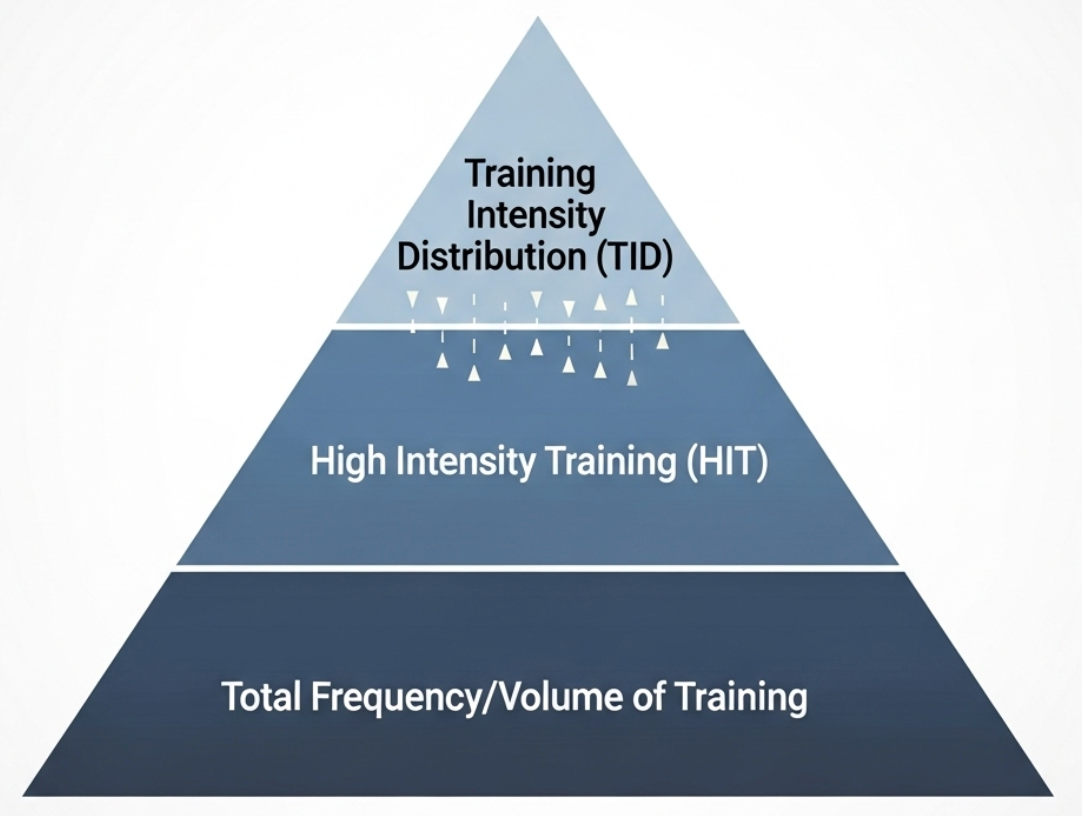
For recreational runners, the above 3 steps are quite enough, if done well, to get most of the results of endurance training. Which in short means: train multiple times per week (to accumulate some volume), add some high intensity sessions and then try to plan them accordingly, spending most of your time with low-intensity and high-volume training while every few sessions a high-intensity and low-volume training can be added where you can and should go all out. When increasing training load, one should initially increase frequency, then the durations of the runs.
While for more serious athletes, a few more details might be interesting.
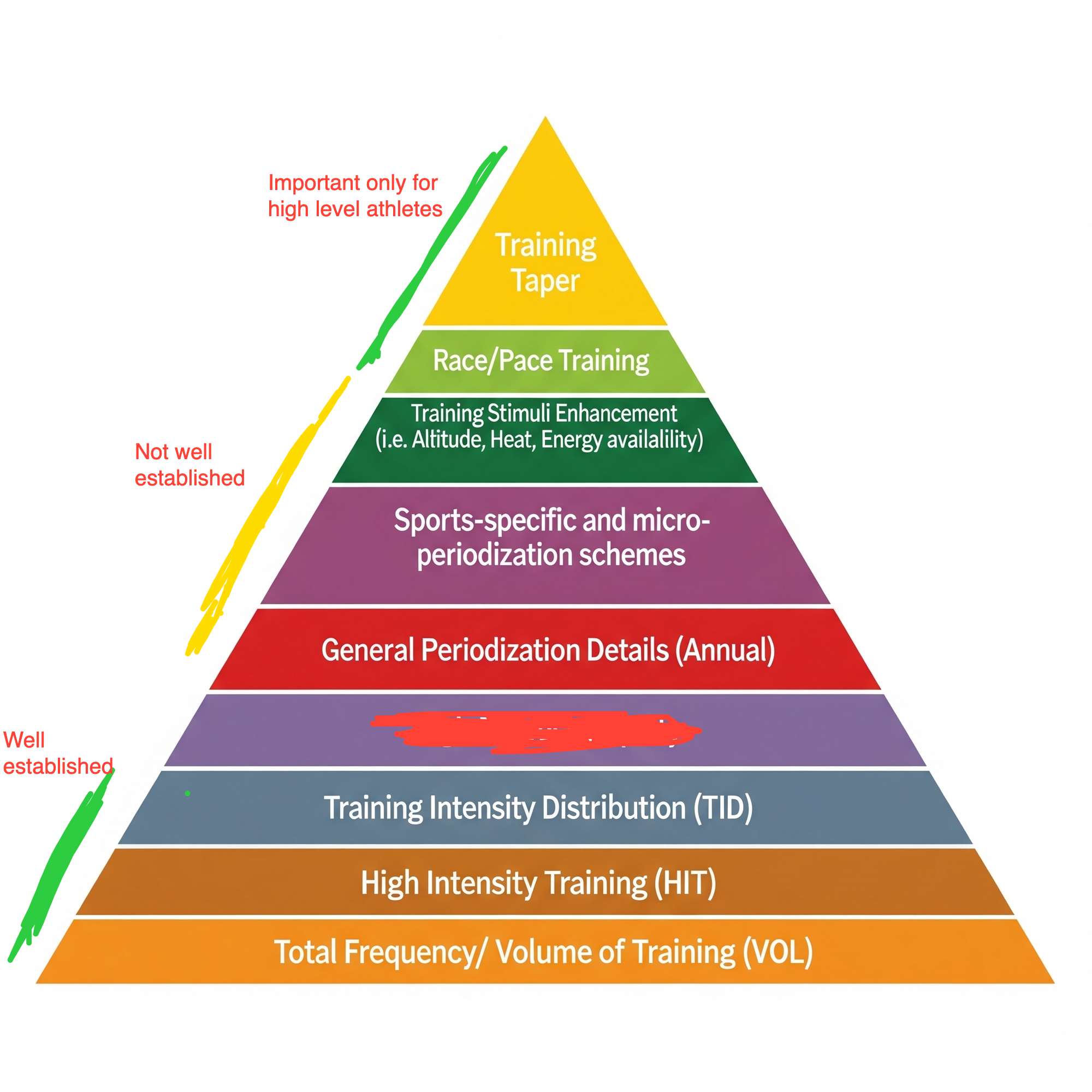
For the more serious athletes, a advanced hierarchy pyramid is necessary. This pyramid as adapted from an online presentation of Stephen Seiler (Seiler, 2016) and gives some very important information as well as providing a broad overview on the topic of high level endurance training. From which parameters are well established in the literature and seem to matter the most (bottom blocks), up to those that likely matter for the highly competitive athletes but aren't that well established in the literature, but are nonetheless thought to be of importance and done by most high-level athletes (upper blocks).
Total Frequency and Volume:
Frequency is key and increases in training frequency go hand in hand with increased training volume. After increasing frequency (up to a certain number), running duration can be increased to further increase volume.
Elite athletes (marathon or track) train about 11-14 times per week (with 190km (+/- 30) or 160km (+/- 30) weekly) (Haugen et al., 2022).
.
Training intensity Distribution:
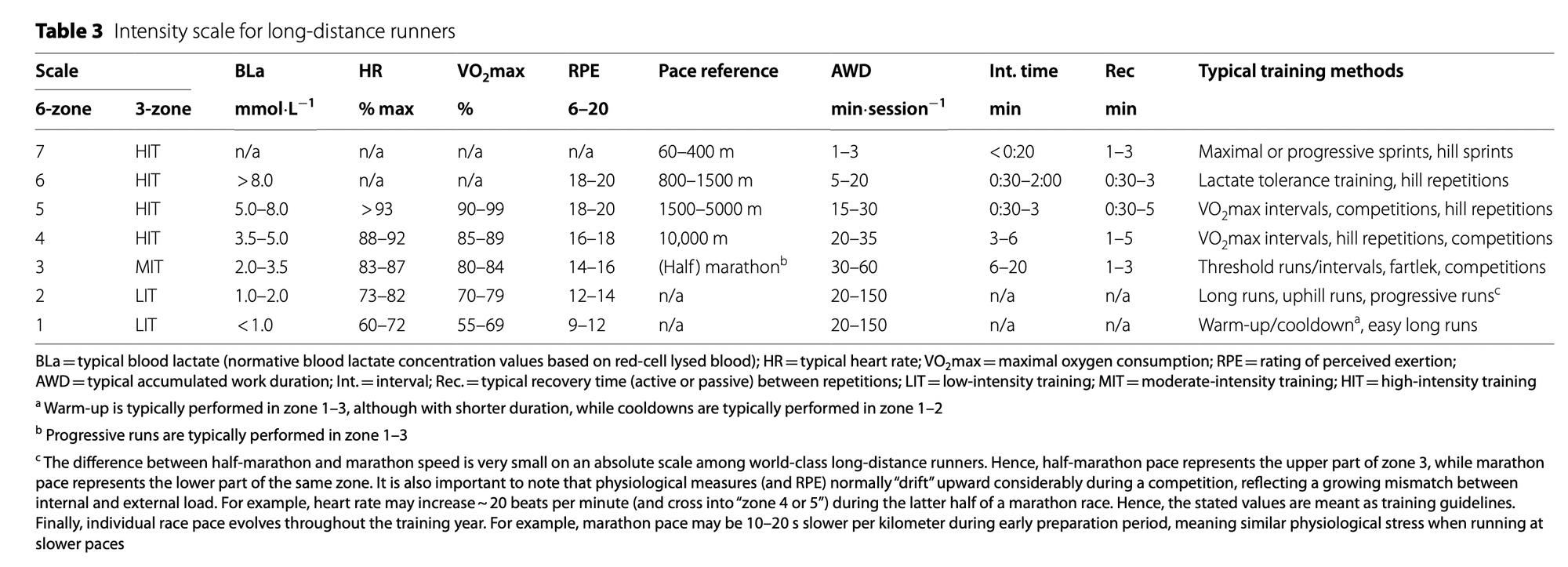
Low intensity training (or zone 1 and 2 training) is going to make up around 80% of endurance athletes overall training volume. With 5-15% up training made up by zone 3 running (or moderate intensity training). Another 5-15% is made up of interval training (zone 4-5), but increases in interval training come with decreases in moderate intensity training (they are inversely correlated). Sometimes during competition phase, track athletes add zone 6 training sessions, but less often in marathon runners. Zone 7 training (or sprint training) makes up a minimal proportion (at most 1%) of total training volume and is seen as an "add-on" at the end of a low-intensity easy-run to not lose ones maximal sprint speed ability (=main reason is preventing the reduction of sprint capability from lots of endurance training) (Haugen et al., 2022).
Lots of variation in TID is found during different meso-cycles. For example, more zone 3 training as the competition period approaches, compared to the initial training season (e.g. for marathon runners).
A 16-week trial looked at training effects of endurance training for 4 different groups. Two of those groups performed either polarised or pyramidal training for 16 weeks straight, while the other two groups did 8 weeks of either pyramidal or polarised and then switched to the other type for another 8 weeks. They found that 8 weeks of pyramidal into 8 weeks of polarised was the superior training strategy (why that might be is still mostly speculation), but it might be a valid strategy to switch to a polarised model prior to a competitive season (when peaking) as that might help to maximise outcomes. In general, all groups benefited from the 16-week structured endurance protocols, with groups consisting of well-trained endurance athletes (Filipas et al., 2022).
General and sport-specific micro-periodisation:
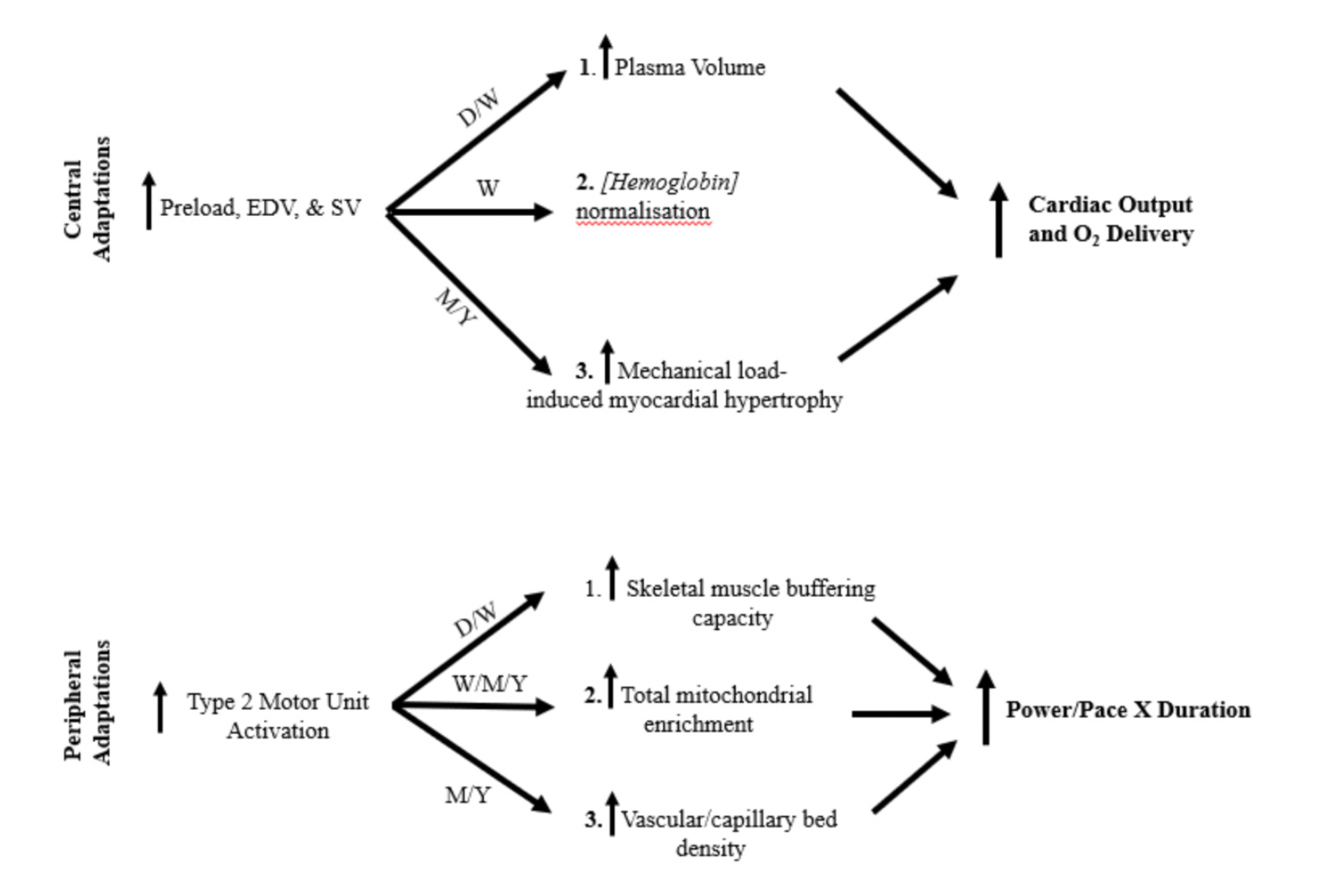
A training year (macrocycle) is typically split into meso- and microcycles that each have different training goals. A macrocycle is typically split into at least one preparation (general and specific) and competition period. For long distance runners, this means that in the general period, low-intensity high-volume runs are key for building the groundwork (for peripheral adaptations such as increased capillarization and mitochondrial density of skeletal muscle), which is then followed by the specific phase where higher intensities (for central adaptations such as stroke volume increases) or race-pace sessions are performed to prepare the athlete for competition. While this type of periodisation is most common amongst elite long distance runners, and has therefore been shown to work just fine, we do not know if it is the best approach, as some high level coaches have their athletes perform reverse periodisation (they start specific and get more general across the season) and the athletes still perform just as good. So we believe that it is probably more important that you have some periodisation (or structure) going on across the training year than the specifics of how that periodisation is managed.
Across the macro-cycle, track athletes and marathon runners do present with very similar TIDs, but they can significantly differ during different meso- and mico-cycles.
Tapering:
A taper phase is often used by marathoners, where the one to two weeks preceding a competition are either characterised by extremely low volume or completely training free. With the aim to get rid of accumulated fatigue while maintaining fitness.
Most often training intensity is maintained as well as training frequency, while training volume is reduced by about +/- 50% in the 7-10 days prior to competition (Haugen et al., 2022).
Altitude Training:
Altitude training is typically performed at 2000-2500m above sea level, with the goal of increasing red blood cell count from the hypoxic environment (or simple acclimatization for competition at >1000m).
Most often a live-high train-high approach for 2-4 weeks is recommended.
Live High – Train High maximizes hypoxic conditions but Live High – Train Low according to Chen et al. (2023), is the most effective method to improve aerobic performance.
Exemplary Training programs:
SIT (Sprint Interval Training):
- 10 sec sprints, repeated after 1-4 min of recovery for 4-6 times total.
Measuring imporvements:
sRPE + Pace -> if speed per kilometer (pace) goes down and sRPE stays the same = improvement; if pace stays the same but sRPE goes down = imporvement
HR per speed -> lower HR at similar pace = imporvement
Altitude training
Altitude training refers to a training method, where training sessions are performed at: higher altitudes. As it is well known, higher altitudes are characterised by lower amounts of oxygen than we got on sea-level (due to gravity). The theory goes, that in such a relatively hypoxic environment, the body needs to find ways to get more energy out of what it is provided with and therefore increases production of red blood cells, via increasing the erythropoietin (EPO) concentration (leading to better transport of oxygen through hemoglobin). This adaptation from altitude training should then help an athlete increase his aerobic capacity, when back to baseline altitude.
Different approaches exist:
- Live-High-Train-Low
- Live-Low-Train-High
- Simulated Altitude Training
- Live-High-Train-High-Train-Low (high-altitude living, high-altitude training, and low-altitude high-intensity training)
A recent meta analysis found that "altitude training significantly increased the hemoglobin content and quality in athletes, leading to improvements in aerobic capacity and, consequently, better trial test performance", but they found no impact of altitude training on VO2max (in well-trained athletes). With Live-High-Train-High likely to be the best choice of an intervention (Deng et al., 2025).
The optimal altitude training zone is likely between 2000 and 2500 meters, for a duration of at least several weeks to months (>3 weeks minimum).
This is an approach that many world class endurance athletes have used. But this is not foundational training. This is done to scratch out the small percentages of performance left in elite athletes. Unless you have done the basics done for a long time, altitude training is not worth your time / money.
Morphological adaptations - What changes make us more endurable?
In order to improve performance, physiological changes / adaptations need to occur. These include musculoskeletal (e.g. mitochondrial density and capillary density) and cardiovascular (e.g. stroke volume) systems. These adaptations aim to increase the bodies capacity to transport and utilise as much oxygen as possible, to fuel our system with energy.
Endurance exercise generally increases mitochondrial content, which allows for a greater reliance on utilising fats instead of glucose, and therefore decreased lactate levels at a given intensity, allowing people to train for longer durations (due to fat being way more available than glycogen). This makes mitochondrial function (=respiration per unit of mitochondria) a key area of training adaptation.
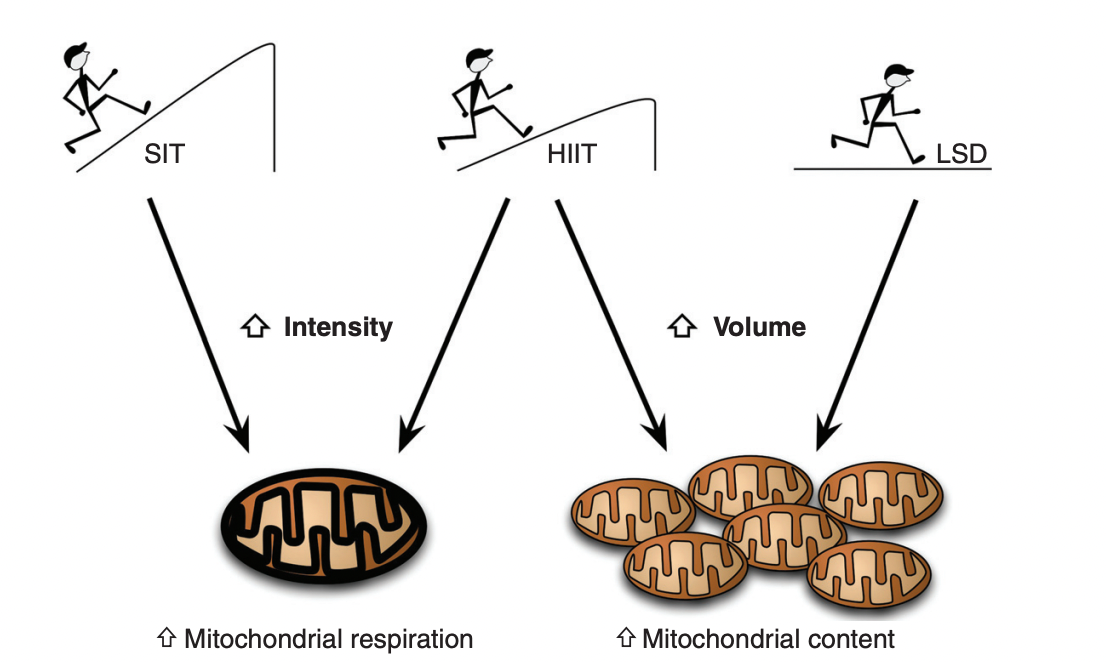
Mitochondrial density in training studies is usually measured via microscopy or activity of mitochondrial enzymes. Even single sessions of MICT, HIIT (1-4 min all-out bouts) or SIT (+/- 30 sec maximal efforts) have been shown to activate signalling pathways that are associated with mitochondrial biogenesis, with regular increases of such markers leading to an increase in mitochondrial density. With density increasing up to 30% over the course of six to seven sessions of HIIT. Though the big increases early on are remarkable, a plateau of mitochondrial density is reached after several training weeks.
What is the role of exercise intensity in skeletal muscle mitochondrial adaptations? It seems that, as long as total work (regarding distance) is matched, the adaptations seem to favour higher-intensity training, regarding mitochondiral content. It also seems that the higher the intensity of the training session, the lower the volumes one can get away with. The effect of exercise duration (weekly expended calories) and frequency (days / week) is contradicting. With some evidence suggesting similar adaptations to higher frequency and volumes than lower ones and other research favouring higher training volumes (MacInnis & Gibala, 2017). Although most studies already trained multiple times / week in the "low frequency" groups, suggesting a blunting effect on returns from exercise.
Although mitochondrial adaptations occur after days / a few weeks of training, other adaptations take a bit longer. Skeletal muscle capillarisation (capillary density) takes months to happen and in the trials available, similar benefits between moderate to high intensity training have been shown (and if one group was favoured it was MICT).
VO2max can increase as early as 1 weeks after the initiation of training (with 2-4 weeks being the mean). Variations in VO2max are predominantly due to different stroke volumes or cardiac output and not differences in O2 saturation. Blood volume (plasma and red blood volume) increases after exercise, partly being attributed to the increase in cardiac output (although this takes 2-6 weeks). And it seems that higher gains in VO2max correlate with higher intensities (the higher the better), even if training volume is often way lower in the high intensity training groups. The type or form of high intensity training does not seem to matter as much.
Continuous endurance training and HIIT training lead to considerable increases in VO2max when compared to non-exercise controls. When comparing HIIT to endurance training they found small benefits for HIIT. And the less fit and the older you are and the longer the intervention goes, the greater the improvements you will see (Milanović et al., 2015). VO2max is usually 50-100% higher in elite endurance athletes compared to ordinary folks.
One of the main mechanisms of VO2max increases is via stroke volume, that seems to adapt best to HIIT.
In general, it seems intensity mediates VO2max and mitochondrial adaptations, with high intensities eliciting better outcomes (e.g. interval training) (MacInnis & Gibala, 2017).
One last, often neglected, adaptation to the musculoskeletal system is tendon stiffness. As a stiffer muscle-tendon unit will store and use elastic energy more efficiently, leading to reduced ground contact and energy cost, increasing running economy. This, however, is not done by some form of endurance training but by adding heavy resistance training to the program.
What makes a champion endurance athlete? Champion athletes supposedly have extremely high capillary density (delivering tons of blood and oxygen to the muscle), activate more of muscle fibres during certain intensities (less taxing on individual fibres and utilisation more mitochondia), exceptional running economy (using up only as much energy as absolutely necessary) and higher percentages of type I muscle fibres (Joyner & Coyle, 2008).
Critically: the adaptations to a specific kind of training strongly depend on the training level of the athlete. In general, peripheral adaptations take much longer to achieve peak adaptation compared to e.g. VO2max.
Whats with movement drills (running ABC... is it useful?) and running economy?
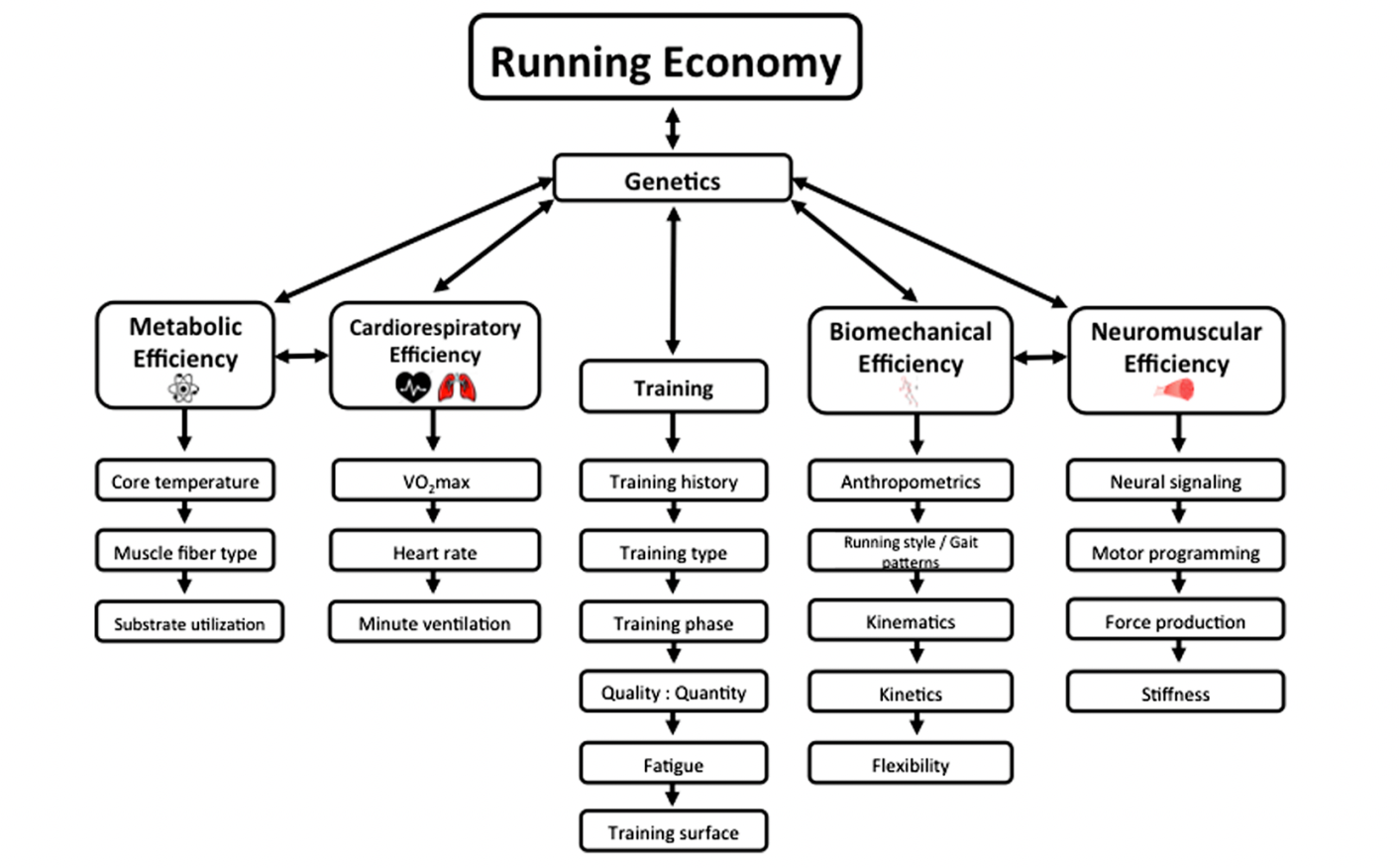
Running economy (RE) is defined as the steady-state oxygen consumption at specific running speeds. It simply describes how much energy is needed from an individual to keep running at a fixed submaximal velocity (calorie expenditure, as the sum of aerobic and anaerobic matabolism). The better your RE, the less oxygen you need to consume to fuel up at a given speed. This can vary by a lot between different individuals, even if they present with similar VO2max values and can be seen as a predictor of running performance (especially long distance). RE sounds like a simple concept (energy cost of a given training intensity) but actually, it is quite hard to measure. Lots of different bodily systems affect it: cardiopulmonary (oxygen transport), biomechanics, neuromuscular (power output) and metabolic (energy utilisation). Genetics are currently assumed to be the most influential factor of RE.
As seen in the diagram below, various trainable (modifiable) factors influence RE (even if at the end, genetics rule over them).
How can we measure RE?
Typically it is measured via VO2 at different running speeds on a treadmill, for a duration that gets you into steady-state running (around 3-5 min for faster speeds). Most commonly, the running speed of 16 km/h is used to compare the results to other peoples RE. VO2 is then expressed as ml/kg/min at that particular running speed. With moderately trained individuals reaching numbers around 51.4 (ml/kg/ min ) in men. So testing is done in the lab, using some sort of gas-analysis. Measurement will be affected by heart rate, core temperature and muscle fibre type distribution.
The smallest worthwhile change for RE is around ~2.2-2.6%. This is the minimum of an improvement you want to see in order to be confident that real change has occurred.
To improve RE, you need to create an environment where one can better utilise a given amount of oxygen relative to a given training intensity.
The authors concluded that right now "there does not appear to be any easily identifiable or universally applicable biomechanical pattern of ‘efficient’ movement that will apply to all runners" (Barnes & Kilding, 2015), apart from genetics or individual anatomy (decreased body size and weight lead to reduced ground reaction forces and therefore to reduced loads).
While running economy is trainable, it is likely more effective to do so with long runs (high-volume low-intensity) as it is with these runs where individuals learn to run a certain way without much variation. Adding strength, power and plyometric exercises will also be beneficial to improve RE in long distance runners (additional neuromuscular input).
How do we quantify training doses? In endurance sports three options are common:
- External workload (running distance, velocity)
- Internal workload (% of HR, lactate levels)
- Subjective workload (rate of perceived exertion of the session, sRPE)
Session goal (SG) vs Time in Zone (TIZ) approach for measuring TID (categorical allocation vs time-based allocation).
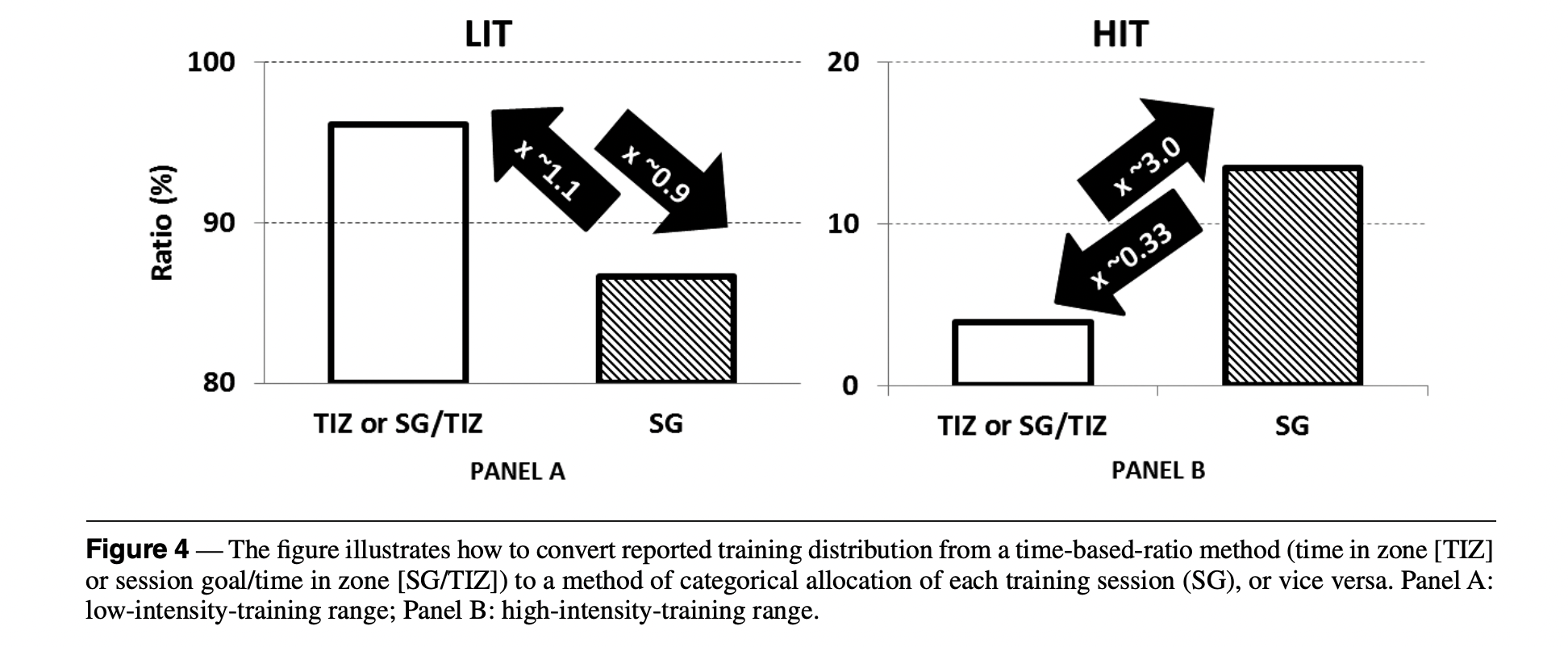
Endurance enthusiasts commonly talk about the 80/20 rule. That 80% of their training is done at lower intensities, with only 20% high intensity work. This is based on the session goal approach. Meaning that when someone has 10 training session per week, 2 of them will be high intensity. While someone training 5 times per week, 1 session is high intensity. When looking at TIZ (=how much time someone actually spends in each zone) we see that the 80/20 rule cannot be applied. Because if we take a HIIT session of classic 4x4min as an example, we get up to 16 min of zone 3 training. Assuming an athlete does 10 sessions per week, if we go for 2 HIIT sessions of 16 min each that adds up to 32 min high intensity training. When the low intensity sessions would be 1h each, then thats 8 hours (480 min) to 32 minutes, which means not even 10% of the TIZ is spent in zone 3. In order to get 20% of high intensity work in, the athlete would have to perform 5-6 sessions of HIIT per week, which is way overboard. This is why comparisons of TID across studies are difficult to make, as they often use different measurement tools (SG vs TIZ) to calculate training at different zones. A paper looked at this and found that "in elite athletes training ≥800 h/y, or 500 training sessions/y, where HR analysis using TIZ shows 93%/7% in LIT/HIT, the categorical SG distribution of endurance sessions will approximate 81%/21% LIT/ HIT". They demonstrate this on an exemplary HIT session "a 6 × 4-minute HIT session at 95% HRmax, lactate values >6 mmol/L, with 2 minutes recovery, a 20-minute warm-up, and a 15-minute cooldown would result in a TIZ distribution of ~20 minutes HIT and 45 minutes LIT. As such, even this high-intensity session would be quantified as ~70% LIT, despite blood lactate values clearly indicating that the session was very demanding". They "highly recommend that athletes using a time-based method also self-report sRPE and SG in diaries to give a realistic picture of the long-term TID" (Sylta et al., 2014). So adding a perceptual outcome measure (sRPE) makes the TIZ approach more accurate.
How important is endurance for non-endurance sports? and health in general?
why is most of a runners training volume performed at intensities lower than race pace? and only about 20% of the sessions done in a HIT manner? Even if HIT usually outperforms physiological adaptations seen with low intensity trianing?
This is for one due to the possible accumulation of fatigue (overreaching / overtraining) that has been associated (in some studies) with chronically high frequency of HIT sessions. So light runs build capacity, while HIT trains the specific characteristics of the game day. This is just as true in other sports, such as power lifting. Where the main lifts are often performed only once per week during a mesocycle, and most of the training is focused on other movements / hypertrophy development, aiming to increase strength for the specific competition lift. This too, is done to minimise central nervous strain (or fatigue, while reducing joint forces).
But, even though it seems as if HIT constantly outperforms low intensity training, it might be due to bad comparisons. As a HIT session is often compared to a session of low-intensity training of the same length. While it is true that HIT is more efficient (better outcomes per time unit), direct comparisons of HIT to long endurance runs (60-90 mins) are lacking, and results would probably not lead to such favourable outcomes for HIT.
HIIT can be defined as training between lactate turn point 2 and VO2max (zone 3). Some form of HIIT training is included in every single endurance runners protocol, and so seems like a necessity for success.
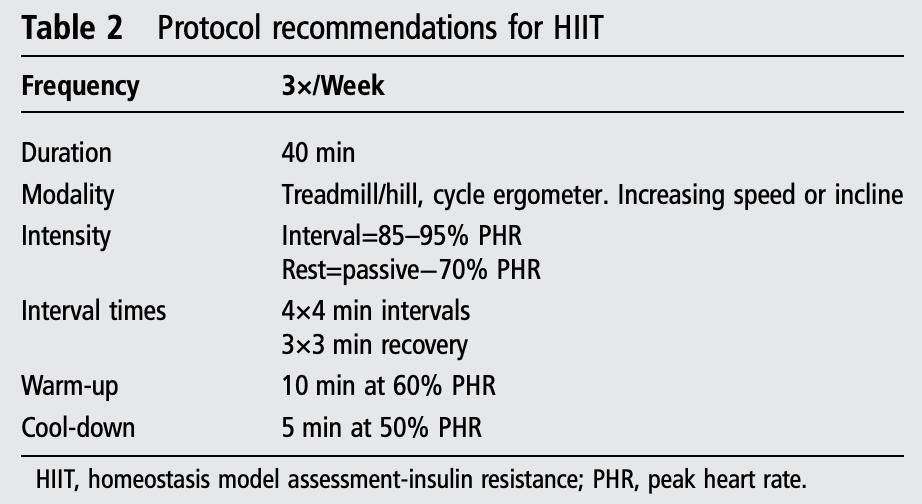
Examplary protocols: 4x4 min with 2 min rest between sets.
The session can be further split up into micro-intervals, such as 3 × 10 × 40 s:20
The physiological responses to continuous intervals vs micro-intervals are essentially the same.
2 min rest between sets is what is enough to restore high energy phosphate (takes 1-5min) but does not affect blood pH and lactate, as lactate has a half-time of around 2o min.
HIIT prescription can be simple but effective. 4x4min, 4x8min or 4x16 min are all possible solutions. Hence, 8x2min or micro intervals of 3 × 10 × 40 s:20. As long as the average work duration (16 min in a 4x4 and 16 min in 8x2) is monitored and similar between different interval forms, adaptations will be similar (Seiler, 2024)
Though, HIIT has to be seen in the context of high volumes of LIT, as that is the way HIIT is normally prescribed. These are synergistic training types.
Distribution of training time should be measured by heart rate (HR) in zone (=time-in-zone approach). With heart rate zones either determined via a lactate test (then determining zones via LTPs) or from taking a % of the maximal HR. With that information, time in zone can be calculated (as long as you track the HR for the whole session).
80/20 rule = session goal approach, not time in zone.
Variability in response to endurance regimes (HVLIT, HIIT, HFT) exist. With a 2020 paper showing that the majority of participants (non-athletes) responded most positively to HVLIT compared to the other two modalities (Düking et al., 2020).
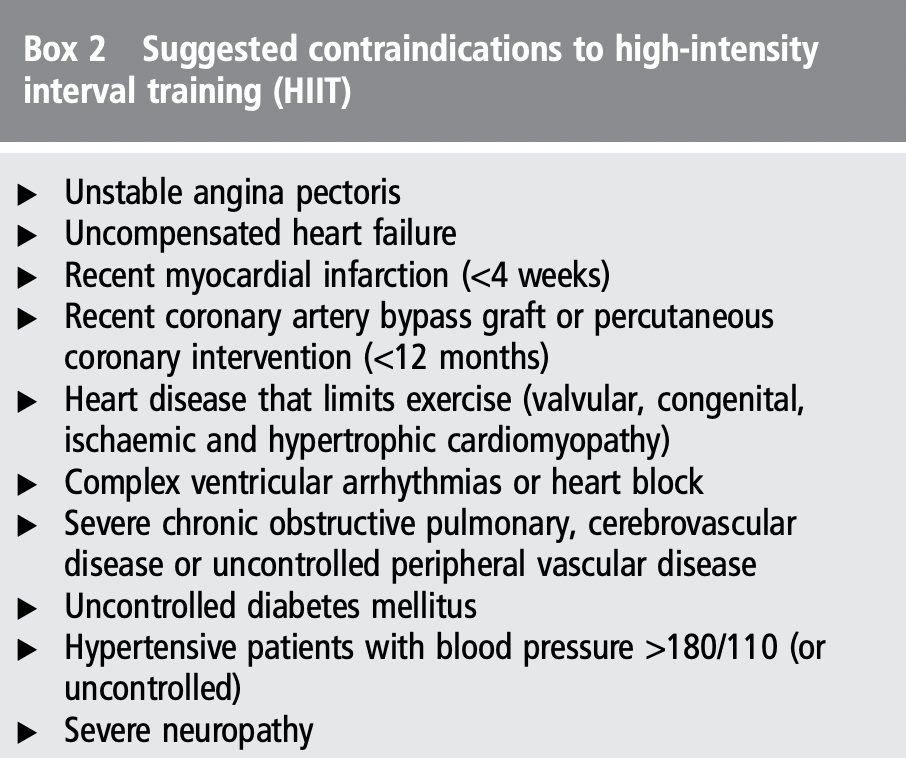
Safety concerns for HIIT are presented in the box below. In a paper looking at the effectiveness of HIIT for those with cardiometabolic diseases, they found that HIIT was superior to inducing cardiorespiratory adaptations (when compared to LIT). And that it was well tolerated (Weston et al., 2014).
Variation is critical for effective training. According to Kiley, "although the evidence does support the need for regular training variation, other core tenets of periodization philosophy are neither supported nor refuted". Interindividual variation in the responsiveness to a certain training stimulus needs to be regarded in the planning process. "Individual athletes will respond differently, to one another, to identical training sessions" (Kiely, 2012).